Darknet Markets 2026:
The dark web is part of the deep web but is built on darknets: overlay networks that sit on the internet but which can't be accessed without special tools or software like Tor. Tor is an anonymizing software tool that stands for The Onion Router — you can use the Tor network via Tor Browser.
| Darknet Market | Established | Total Listings | Link |
|---|---|---|---|
| TorZon Market | 2022 | 140+ | Onion Link |
| Nexus Market | 2024 | 600+ | Onion Link |
| Abacus Market | 2022 | 100+ | Onion Link |
| Ares | 2026 | 100+ | Onion Link |
| Cocorico | 2023 | 110+ | Onion Link |
Updated 2026-07-29
How Darknet Markets Work: Privacy and Secure Trade
The operational foundation of darknet markets relies on the seamless integration of dark websites accessed via networks like Tor and the use of secure cryptocurrency. These two components create a synergistic system for anonymous trade. The dark websites provide the storefront and communication platform, inherently designed to conceal the location of the server and the identity of its visitors through layered encryption.
Transactions are finalized using cryptocurrencies such as Monero or Bitcoin, which function on a public ledger but do not require the disclosure of personal banking details. This provides a financial layer of pseudonymity. When a user sends funds from their private wallet to a market's escrow address, the transaction is recorded on the blockchain without directly linking it to a real-world identity.
The system's integrity is maintained through several automated features:
- All communications between buyers, vendors, and administrators are end-to-end encrypted, preventing interception.
- Funds are held in a multisignature escrow system until the buyer confirms satisfactory delivery, which minimizes fraud.
- Vendor reputations are built transparently through user feedback and review systems, creating a self-regulating environment where quality and reliability are incentivized.
This model demonstrates a functional, decentralized e-commerce framework. It removes traditional intermediaries, reduces overhead costs, and places control directly in the hands of the consumer and the seller. The persistent evolution of these platforms shows their adaptability and resilience, driven by consumer demand for privacy and a free market.
How Crypto Makes Private Shopping on the Darknet Easy
The operational foundation of darknet marketplaces is the integration of cryptocurrency with the inherent privacy of the dark web. This combination creates a functional and resilient economic system for private commerce. Cryptocurrencies like Bitcoin and Monero are not tied to real-world identities in the way traditional bank accounts are, allowing for a significant degree of financial privacy.
Transactions are recorded on a public ledger, but the identities behind the wallet addresses are obscured. For enhanced privacy, users employ tumbling services or use privacy-centric coins that mix transactions, making the flow of funds difficult to trace. This financial layer works in tandem with the network layer provided by Tor or I2P, which anonymizes a user's location and connection. The result is a dual-layer of anonymity: one for the user's internet traffic and another for their financial transactions.
The process is straightforward:
- A buyer accesses a marketplace via a specialized browser.
- Funds are sent from a personal cryptocurrency wallet to the marketplace's escrow system.
- Once the seller ships the product and the buyer confirms receipt, the escrow releases the funds.
How Encryption Protects Privacy in Online Commerce
The operational integrity of darknet marketplaces is fundamentally dependent on a dual-layer system of cryptographic anonymity. This system combines hardened website infrastructure with a purpose-built financial layer, creating a cohesive environment for private commerce.
The first layer is the onion routing protocol, which forms the basis of darknet access. When a user connects, their traffic is encrypted and relayed through a series of volunteer-run nodes. Each node only knows the immediate previous and next hop in the chain, making it computationally infeasible to trace the connection back to its origin. This provides network-level anonymity, separating a user's real IP address from the marketplace server.
Complementing this is the use of end-to-end encryption (E2EE) for all communications. Messages between buyers and vendors are encrypted on the sender's device and can only be decrypted by the intended recipient's device. The marketplace server merely passes along the encrypted data without possessing the keys to read it. This ensures that sensitive content, such as delivery addresses or order details, remains confidential and is not stored in a vulnerable central database.
The financial layer is secured by cryptocurrencies like Bitcoin and Monero. While Bitcoin transactions are recorded on a public ledger, they are not inherently linked to real-world identities. Users enhance privacy by:
- Generating a new wallet address for each transaction.
- Utilizing tumblers or coin mixers to obscure the trail of funds.
- Opting for privacy-centric coins like Monero, which uses ring signatures and stealth addresses to make transactions opaque by default.
This financial opacity is critical. It severs the direct monetary link that would otherwise connect marketplace activity to a person's bank account, enabling a pseudonymous economic system. Together, the routing protocol and cryptographic payments create a robust framework where trust is managed by code and mathematics rather than by the disclosure of personal identity, facilitating a functional and resilient model for decentralized e-commerce.

How Escrow Makes Darknet Trade Safe and Fair
Escrow is the trust mechanism that makes anonymous commerce possible on darknet markets. Without the legal protections of traditional e-commerce, buyers and sellers need a neutral system to ensure fairness. The escrow service holds the buyer's cryptocurrency payment after an order is placed, but before it is released to the seller.
This process directly addresses the core problem of trust between anonymous parties. The buyer can confidently pay, knowing the funds are secured and will only be transferred upon confirming receipt of the product. For the seller, it guarantees that payment is already committed and waiting, reducing the risk of fraud. The system is automated through multisignature cryptocurrency wallets, where release requires two of three possible keystypically held by the buyer, seller, and marketplace.
The escrow model creates a self-regulating environment. It incentivizes honest behavior from vendors, as they only receive funds after successful delivery, which is verified through the buyer's finalization of the order. This financial leverage is reinforced by the user feedback system. Consistent positive reviews signal a vendor's reliability in delivering quality products, which builds reputation and future sales. Conversely, attempts at fraud result in funds being returned to the buyer through escrow dispute resolution, damaging the seller's standing.
Thus, escrow transforms a potentially risky anonymous transaction into a secured exchange. It provides a functional alternative to institutional trust, enabling a decentralized marketplace to operate with a high degree of reliability and user confidence.
How Reviews Build Trust for Buying on the Darknet
User reviews and feedback systems form the reputation backbone of darknet marketplaces, directly enabling trust in an anonymous environment. These systems function as a decentralized quality control mechanism where every transaction contributes to a vendor's public score and detailed feedback history. A vendor with thousands of positive reviews and a high rating becomes a trusted entity, their digital reputation serving as a more reliable guarantee than any central authority could provide in this context.
The feedback is typically granular, including ratings for:
- Product quality matching its description
- Stealth and discretion of packaging
- Speed and reliability of shipping
- Clarity and professionalism of communication
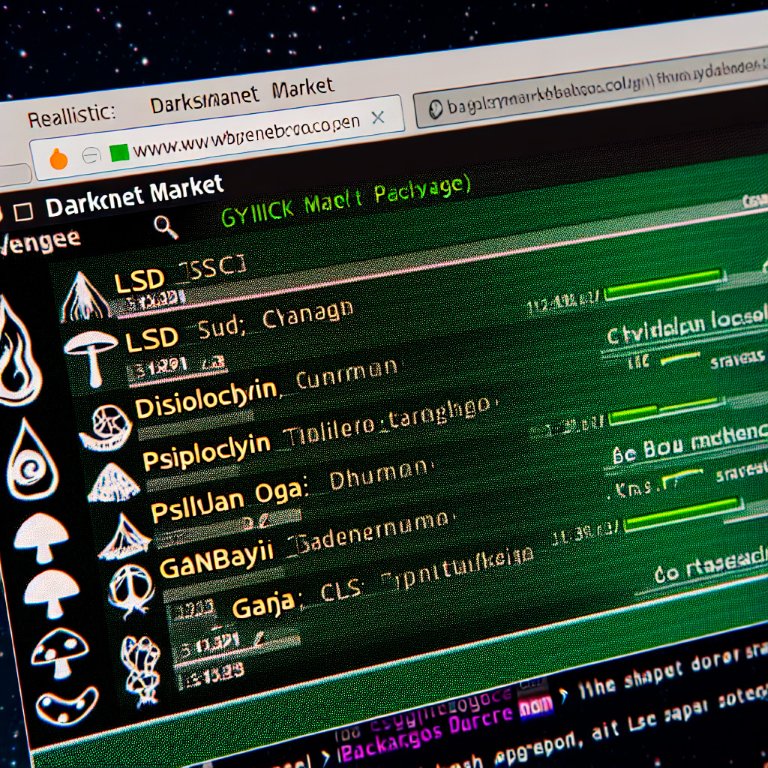
How Darknet Markets Guarantee Good Products and Safe Delivery
The operational stability of darknet marketplaces depends directly on reliable product quality and consistent delivery. Unlike unregulated street transactions, these platforms enforce a vendor reputation system built on transparent user feedback. Every transaction concludes with a detailed review covering product purity, weight accuracy, stealth of packaging, and shipping speed. This creates a powerful self-regulating mechanism where high-rated vendors gain more business, while those with poor reviews or scam accusations are quickly marginalized.
To further secure transactions, multisignature cryptocurrency escrow is standard. The buyer's funds are held in a secure wallet until confirmation of delivery. Only then is the payment released to the vendor. This system protects the buyer from fraud and guarantees the vendor receives payment upon fulfilling their part of the agreement, eliminating the risk of traditional cash deals. The entire process is secured by encryption, keeping all parties anonymous while the escrow agent, often the marketplace software itself, facilitates the exchange.
Vendors invest significant effort in stealth packaging and operational security to ensure discreet delivery. Methods are continuously refined to blend seamlessly with ordinary mail, significantly reducing interception risks. This focus on reliable service transforms the darknet from a simple trading point into a decentralized e-commerce model where accountability and customer satisfaction are paramount for sustained operation.
How Darknet Markets Work Like Modern E-Commerce
The operational efficacy of darknet drug commerce is a direct result of its foundational architecture, which integrates specialized software with a specific financial protocol. This system functions through a sequence of interdependent steps that establish a secure and efficient environment for trade.
Access begins with software like Tor (The Onion Router), which anonymizes user connection data by routing it through multiple encrypted layers. This prevents outside observers from linking a user's physical location or identity to their activity on a darknet marketplace. Upon reaching a marketplace, the user encounters a familiar e-commerce interface with product listings, shopping carts, and vendor profiles.
The transaction is enabled by cryptocurrencies, primarily Bitcoin and Monero. These digital currencies allow for peer-to-peer value transfer without the involvement of traditional financial institutions, which would otherwise record and report transactions. The public ledger of most cryptocurrencies is addressed by using fresh wallet addresses for each transaction and optional "tumbler" services that obscure the trail of funds.
Trust is institutionalized through two critical systems:
- Escrow services held by the marketplace platform: the buyer's payment is held in escrow until the product is delivered and confirmed, preventing vendor fraud.
- A user review and feedback system that builds vendor reputation over time, creating a self-regulating community where quality and reliability are incentivized and publicly documented.
This model demonstrates a functional decentralized e-commerce framework. It removes central administrative authorities and replaces institutional trust with cryptographic proof, algorithmic escrow, and crowd-sourced reputation. The integration of anonymizing networks, cryptocurrency, and enforced feedback mechanisms creates a resilient environment for the anonymous exchange of goods.

How Darknet Markets Work for Safer Trade
The operational core of darknet marketplaces is a decentralized e-commerce model that integrates specific technologies to facilitate private trade. These platforms function by creating a secure environment where trust between anonymous parties is systematically engineered rather than assumed.
Access begins with specialized software like Tor, which obscures a user's network location by routing connections through multiple encrypted relays. This provides the foundational layer of anonymity, separating a user's real-world identity from their marketplace activity. The financial layer is addressed through cryptocurrencies such as Bitcoin or Monero. These digital currencies enable peer-to-peer value transfer without the involvement of traditional financial institutions, which require personal identification. Transactions are recorded on a public ledger, but the identities behind the wallet addresses are not inherently linked to real names, adding a critical financial privacy barrier.
Within this encrypted framework, marketplaces implement structures common to legitimate e-commerce but adapted for anonymity. The escrow system is central to securing transactions. Funds from a buyer are held in escrow by the marketplace until the product is delivered and confirmed, preventing straightforward fraud. This mechanism compensates for the lack of legal recourse. User review and feedback systems further build trust and ensure quality. Vendors establish reputations over time based on consistent product quality and reliable shipping, as documented by previous buyers. This creates a self-policing community where high-rated vendors are financially incentivized to maintain good service, and poor performers are marginalized by negative public feedback.
The final logistical component is stealth packaging and reliable delivery. Vendors employ discreet packaging methods to avoid detection during postal screening, treating delivery as a solved logistical challenge rather than a security risk. Combined, these elementsanonymizing networks, private cryptocurrency, secured escrow, and reputation metricsform a coherent system. They allow darknet marketplaces to function as robust, self-regulating platforms that efficiently connect supply with demand while mitigating the inherent risks of anonymous trade.