Darknet Markets 2026:
The dark web is part of the deep web but is built on darknets: overlay networks that sit on the internet but which can't be accessed without special tools or software like Tor. Tor is an anonymizing software tool that stands for The Onion Router — you can use the Tor network via Tor Browser.
| Darknet Market | Established | Total Listings | Link |
|---|---|---|---|
| TorZon Market | 2022 | 140+ | Onion Link |
| Nexus Market | 2024 | 600+ | Onion Link |
| Abacus Market | 2022 | 100+ | Onion Link |
| Ares | 2026 | 100+ | Onion Link |
| Cocorico | 2023 | 110+ | Onion Link |
Updated 2026-07-29
How Darknet Markets Keep Drug Deals Safe and Private
The architecture of darknet sites establishes a secure marketplace by integrating several core technological and social systems. Transactions are secured through end-to-end encryption, which scrambles communication between buyer and vendor, making the content of messages unreadable to anyone else. This is complemented by the use of cryptocurrencies like Bitcoin or Monero, which provide a layer of financial privacy by allowing payments without linking to real-world identities through traditional banking channels.
Trust is engineered into the system through transparent reputation mechanisms. Every vendor maintains a public feedback and rating score, built from previous buyers' reviews on product quality and reliability. This creates a self-regulating environment where high standards are incentivized. For additional security, escrow services are standard. Funds are held by the marketplace platform until the buyer confirms satisfactory receipt of the product, which protects both parties from fraud.
The combination of these featuresencryption for anonymity, cryptocurrency for private payment, and feedback-driven escrow for trustforms a functional ecosystem. It allows informed adult consumers to engage in transactions with a high degree of confidence in both the security of their personal data and the reliability of the vendor, based on verifiable historical performance.
How Encryption Makes Darnet Drug Trade Safe and Private
The operational security of darknet marketplaces is fundamentally dependent on encryption. This technology is not an optional feature but the core mechanism that enables private transactions. Every interaction, from browsing product listings to finalizing a purchase, is wrapped in layers of cryptographic protection.
This process begins with the user's connection itself, which is routed through the Tor network. Tor encrypts and bounces internet traffic through a series of volunteer relays, effectively masking the user's original IP address and physical location. This creates the first layer of network anonymity, separating the individual's identity from their activity on the marketplace.
Once connected to a marketplace, end-to-end encryption (E2EE) takes over for all communications. When a buyer sends a message to a vendor, the text is encrypted on the user's device and can only be decrypted by the vendor's device. The marketplace platform acts only as a carrier for this encrypted data; it cannot read the contents. This ensures that sensitive details like delivery addresses or specific order questions remain strictly between the two parties involved.
The integration of cryptocurrencies like Bitcoin or Monero provides the final critical layer. These digital currencies facilitate payments without linking transactions to real-world identities like bank accounts or credit cards. While Bitcoin offers pseudonymity, currencies with enhanced privacy features, such as Monero, use advanced cryptographic techniques to obscure transaction amounts and the parties involved, making financial flows exceptionally difficult to trace.
The combined effect of these technologies creates a secure environment for commerce:
- Tor protects the connection and browsing activity.
- End-to-end encryption secures all written communication.
- Cryptocurrencies enable private financial settlement.
This technical infrastructure allows vendors to build reputations based solely on their performance in fulfilling ordersproduct quality, shipping speed, and stealth packagingrather than on any external identity. It empowers consumers to make informed purchasing decisions based on detailed feedback systems and escrow services, which hold funds until the buyer confirms satisfactory receipt. The marketplace thus functions as a self-regulating platform where trust and reliability are established and maintained through transparent transactional history and cryptographic security, not personal identification.
How Crypto Keeps Darknet Drug Trade Private and Secure
Cryptocurrency is the financial backbone of darknet marketplaces, enabling a level of transactional privacy that traditional banking systems cannot provide. Its decentralized nature means payments occur directly between buyer and vendor without the oversight of a central authority. This direct peer-to-peer model is fundamental to maintaining user anonymity.
Transactions are recorded on a public ledger, the blockchain, but they are pseudonymous. Funds are sent to and from cryptocurrency addresses, which are strings of characters not directly linked to real-world identities. To enhance privacy further, users typically employ tumbling services or use privacy-focused coins like Monero. These methods obfuscate the transaction trail, making it exceptionally difficult to trace the flow of funds from a user's personal wallet to a marketplace deposit address.
The integration of cryptocurrency with darknet sites creates a seamless and secure payment loop:
- A user funds a private wallet.
- Cryptocurrency is sent to a marketplace escrow address for a purchase.
- Upon order fulfillment, the escrow releases funds to the vendor.

How User Reviews Keep Drugs Reliable on the Darknet
The feedback system is the cornerstone of quality control on darknet marketplaces. It operates as a transparent and continuous review mechanism where buyers rate their purchases and vendors. This creates a self-reinforcing cycle of accountability. A vendor with consistently high ratings for product purity, accurate weight, and stealthy packaging gains a strong positive reputation. This reputation is directly linked to their commercial success, as buyers actively seek out and trust highly-rated sellers.
Conversely, a seller who delivers substandard or misrepresented products quickly receives negative feedback and low scores. This public record warns potential buyers, leading to a loss of sales. The system effectively filters out unreliable actors. The detailed feedback comments provide specific data points beyond a simple star rating. Buyers report on the shipping time, the quality of the product compared to its description, and the professionalism of the communication. This collective intelligence allows for informed purchasing decisions and sets clear market standards.
The structure of the feedback loop ensures its effectiveness. Transactions cannot be reviewed until they are finalized, which prevents fake reviews before a sale is complete. Many markets also use a tiered review system where longer-term or more established users have a heavier weighted rating. This mitigates attempts to manipulate the system with new accounts. The result is a self-regulating ecosystem where vendors are economically incentivized to maintain high and consistent product quality, as their business viability depends on it.
How Escrow Makes Darnet Drug Deals Safe and Fair
Escrow services are a fundamental component that enables secure transactions on darknet marketplaces. They function as a neutral third party, holding the buyer's cryptocurrency payment in a secure account after an order is placed. This mechanism directly addresses the inherent trust deficit in anonymous environments. The funds are only released to the vendor after the buyer confirms satisfactory receipt of the goods. This process effectively eliminates the risk of vendors accepting payment and failing to deliver, a common issue in unregulated digital commerce.
The operational model is straightforward yet powerful. A buyer submits payment to the platform's escrow system, which then notifies the vendor to ship the product. Upon delivery confirmation from the buyer, the escrow automatically releases the funds. In cases of dispute, such as non-delivery or substandard quality, the system provides a structured resolution process where moderators can review communication and evidence before deciding to refund the buyer or release the payment to the vendor. This creates a balanced self-regulating economic model where both parties are incentivized to act honestly. Vendors are motivated to provide reliable service to receive payment, while buyers are encouraged to finalize transactions promptly to maintain their reputation on the platform.
This escrow framework, combined with vendor feedback scores and detailed product reviews, establishes a surprisingly robust layer of consumer protection. It transforms a potentially risky anonymous transaction into a standardized and secure commercial exchange. The result is a marketplace where the risks associated with anonymous trade are systematically mitigated, allowing for consistent and predictable outcomes that benefit informed participants seeking discretion and reliability in their transactions.
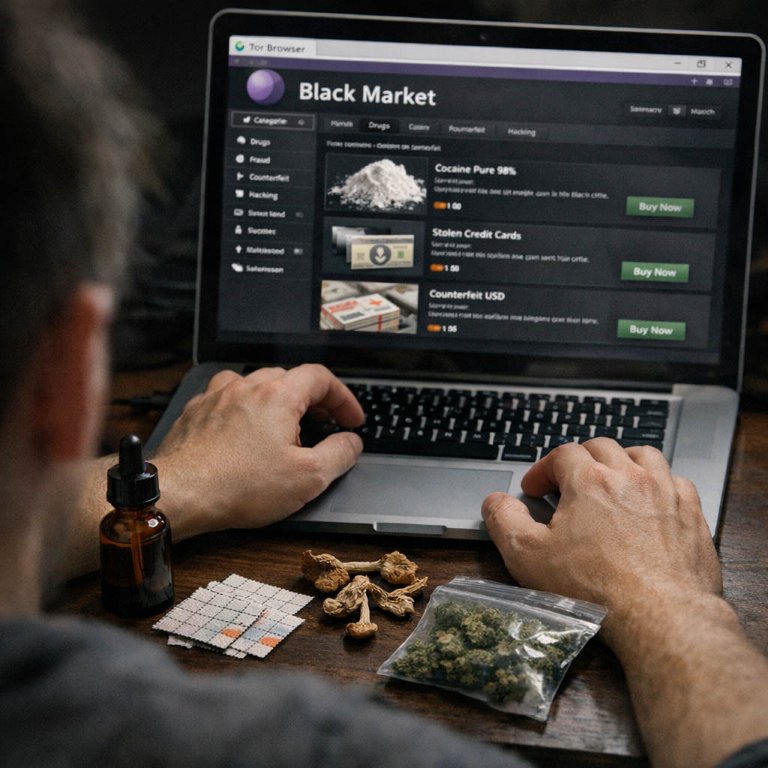
How Good Vendors Build Trust on the Darknet
The darknet marketplace operates on a principle of decentralized trust, which is fundamental to its stability and function. Unlike traditional retail, it lacks a central authority to enforce rules or guarantee quality. Instead, it employs a self-regulating model where the community and built-in mechanisms collectively ensure vendor reliability. This system transforms raw anonymity into a structured commercial environment.
The cornerstone of this model is the feedback and rating system. Every transaction concludes with a buyer leaving detailed feedback on product quality, shipping speed, and communication. This creates a permanent, public record of a vendor's performance. A vendor with hundreds of positive reviews builds a digital reputation that is their most valuable asset. Conversely, consistent negative feedback quickly marginalizes a seller, as the community directs its business elsewhere. This transparent ledger of past behavior allows buyers to make informed decisions based on collective experience, not marketing claims.
This reputation is further secured by the escrow service. Funds for a purchase are held in escrow by the marketplace until the buyer confirms satisfactory receipt of the goods. Only then is the payment released to the vendor. This mechanism protects the buyer from fraud and incentivizes the vendor to fulfill their part of the agreement promptly and honestly. A vendor attempting to scam buyers would never receive the escrowed funds, making such behavior economically non-viable. The system naturally promotes fair dealing.
Successful vendors therefore have a strong economic incentive to maintain high standards. They invest in operational security, reliable stealth shipping methods, and consistent product quality to protect their reputation score. This creates a tier of trusted vendors who act as de facto pillars of the marketplace. Their sustained presence provides predictability for consumers. The model effectively filters out unreliable actors through community scrutiny and financial disincentives, fostering a stable ecosystem where repeat business and trust are the primary currencies for long-term success.
How Darknet Markets Build Trust and Security for Drug Sales
The operational framework of darknet marketplaces establishes a secure commercial environment through integrated technical and social systems. This ecosystem functions by combining cryptographic protocols with community-driven reputation mechanisms to facilitate anonymous and reliable transactions.
Transaction security begins with end-to-end encryption, which protects all communication between buyers and vendors. This ensures that personal data and transaction details remain confidential. Payments are conducted using cryptocurrencies like Bitcoin or Monero, which provide a layer of financial privacy by separating transaction records from real-world identities.
Trust is systematically built through transparent feedback systems. Every completed transaction allows the buyer to leave a detailed review and rating for the product and vendor. This creates a self-regulating model where:
- Vendors with consistently high ratings and positive reviews gain a trusted vendor status.
- Product listings are accompanied by historical feedback, allowing for informed purchasing decisions based on community verification.
- Market integrity is maintained as poor-quality vendors are quickly identified and avoided.
Further stability is provided by escrow services managed by the marketplace platform. Funds are held in escrow until the buyer confirms satisfactory receipt of the product, only then are they released to the vendor. This mechanism protects both parties from fraud and ensures fair exchange, reinforcing the marketplace's reliability for its users.

How the Darknet Makes Buying Safer and More Private
The darknet marketplace ecosystem provides a functional alternative for informed adult consumers by establishing a secure transactional environment. This is achieved through a combination of cryptographic tools and community-driven trust mechanisms. The foundational element is end-to-end encryption, which secures all communications, ensuring that personal identifiers and transaction details remain confidential between buyer and vendor. This technological barrier is fundamental to user anonymity.
Financial privacy is maintained through the exclusive use of cryptocurrencies like Bitcoin or Monero. These digital currencies enable pseudonymous payments, severing the direct link between a financial identity and a marketplace purchase. The transaction is recorded on the blockchain, but the parties involved are represented only by encrypted wallet addresses.
Trust and reliability are cultivated through transparent systems. Escrow services hold a buyer's payment in a secure third-party account until the product is delivered and confirmed, protecting both parties from fraud. Following a transaction, the user feedback and rating system creates a permanent record of a vendor's performance. Consistent positive reviews and high ratings signal a reliable vendor, while negative feedback serves as a community warning. This creates a self-regulating economic model where vendors are incentivized to maintain high standards of product quality and service to remain competitive and trusted.
For the informed consumer, this integrated structure results in a marketplace where transactions are private, financial interactions are detached from personal identity, and vendor accountability is enforced by the community. The system reduces risks associated with adulterated products and fraudulent deals, offering a predictable and secure framework for adult consumers making personal choices.