Darknet Markets 2026:
The dark web is part of the deep web but is built on darknets: overlay networks that sit on the internet but which can't be accessed without special tools or software like Tor. Tor is an anonymizing software tool that stands for The Onion Router — you can use the Tor network via Tor Browser.
| Darknet Market | Established | Total Listings | Link |
|---|---|---|---|
| TorZon Market | 2022 | 140+ | Onion Link |
| Nexus Market | 2024 | 600+ | Onion Link |
| Abacus Market | 2022 | 100+ | Onion Link |
| Ares | 2026 | 100+ | Onion Link |
| Cocorico | 2023 | 110+ | Onion Link |
Updated 2026-07-28
How Nexus Makes Buying Drugs on the Darknet Safe and Easy
The Nexus platform operates on a user-to-user model, which removes centralized control and creates a direct link between buyer and seller. This structure is fundamental for a secure and easy darknet shop focused on reliable substance purchases. It shifts the responsibility for marketplace stability to the community, where reputation is the primary currency. Each transaction builds upon the last, creating a transparent history of reliability.
This model facilitates a straightforward process. A buyer seeks a specific product, uses simple filters to find it, and engages with a vendor whose feedback score is publicly visible. The system employs multisignature escrow by default, holding funds securely until the buyer confirms satisfactory receipt of the order. This mechanism ensures that financial risk is minimized without relying on a third-party authority. For private negotiations, integrated PGP encryption allows for secure communication, keeping personal details and order specifics confidential.
The cumulative effect of these features is a streamlined environment. The absence of a central warehouse or distributor means listings are accurate and directly managed. The escrow system builds trust, the feedback system enforces accountability, and the encrypted communications protect privacy. Consequently, the entire cycle from browsing to finalizing a transaction is designed for efficiency and security, making the acquisition of substances a more reliable and predictable process compared to unregulated alternatives.
How Reviews Make Buying on the Darknet Safe
The feedback system on a darknet shop functions as a decentralized reputation engine, directly translating transactional experiences into a public metric of vendor reliability. Each completed order allows a buyer to leave a rating, typically on a numeric scale, and a detailed comment describing the product quality, shipping speed, and stealth of packaging. This creates a transparent and self-correcting environment where vendors with consistently positive feedback rise in visibility and trust, while those with poor reviews are marginalized. The system's power lies in its collective verification; a vendor's reputation is not a self-claim but an aggregate of independent user assessments.
For a buyer, this archive of past transactions reduces uncertainty. Before committing funds, one can review a vendor's history, noting:
- the consistency of high ratings over time,
- specific remarks about product purity and accurate weight,
- and the vendor's response to any rare negative reports.
This process effectively crowdsources quality control, making the collective user base the primary auditor of the marketplace. A vendor maintaining a high score over hundreds of sales has a demonstrated economic incentive to continue honest trade, as their business viability depends on this recorded reputation. Therefore, the feedback loop establishes a stable framework for trustless commerce, where the system's design, rather than personal acquaintance, ensures transactional integrity and product reliability.
How Escrow Makes Buying on the Darknet Safe
The escrow system is a fundamental component for secure transactions on a darknet shop. It functions as a neutral third-party holding service for cryptocurrency payments. When a buyer initiates a purchase, the funds are sent to the shop's escrow account, not directly to the vendor. This money is held securely until the buyer confirms satisfactory receipt of the product. Only then is the payment automatically released to the vendor.
This mechanism directly addresses the primary risk in any remote trade: fraud. It protects the buyer from vendors who might otherwise accept payment and not ship the goods. Simultaneously, it protects honest vendors from false claims of non-delivery by buyers, as the funds are verifiably held and cannot be unilaterally retrieved by the buyer after confirmation. The system creates a balanced environment of enforced accountability.
The process is typically automated and involves clear steps:
- The buyer places an order and sends payment to the escrow.
- The vendor sees the secured payment and ships the product.
- The buyer receives the product and finalizes the order in the system.
- The escrow releases the funds to the vendor.
If a dispute arises, most platforms have a moderation or dispute resolution process where evidence from both parties can be reviewed before a manual decision is made on the escrow funds. This structured approach removes the need for blind trust and replaces it with a verifiable, process-driven guarantee. It transforms the darknet marketplace from a risky endeavor into a functional commercial platform where the focus can be on product quality and service rather than basic security concerns.
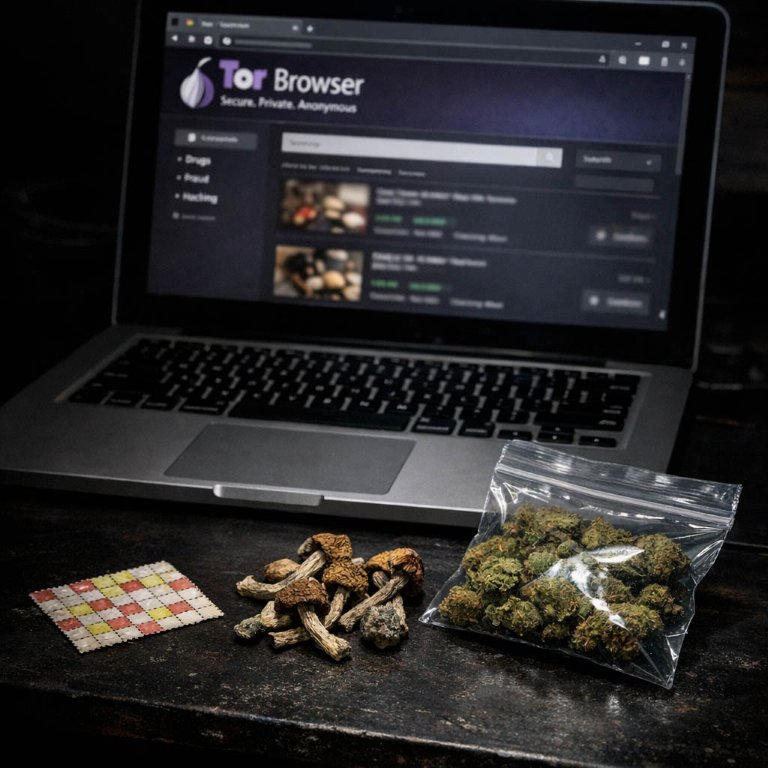
How Category and Region Filters Make Darknet Shopping Easy
The efficiency of a darknet shop is fundamentally determined by its interface and organization. Platforms like Nexus implement a straightforward system of category and region filters, which directly addresses the primary logistical challenge for a buyer: locating a suitable product from a reliable vendor in a feasible location. This functional design eliminates unnecessary browsing and reduces operational exposure time.
The categorization is typically granular, moving from broad substance classes to specific product types, strains, or chemical variants. This specificity allows for precise sourcing. Concurrently, the region filter is a critical tool for risk mitigation. By filtering vendors who ship from or to specific geographic zones, a buyer can significantly increase the probability of successful delivery. This combines the assessment of shipping distance, which impacts both transit time and the number of potential interdiction points, with an understanding of regional vendor reputations.
The combined use of these filters creates a streamlined procurement path:
1. A user selects a desired product category.
2. The user then applies a geographic filter relevant to their location.
3. The resulting list displays available vendors, their pricing, stock, and aggregated feedback scores.
This process transforms a large, unstructured marketplace into a manageable set of verified options. The user-to-user feedback model then provides the necessary qualitative data to evaluate each filtered result, creating a workflow where logistical feasibility and vendor trust are assessed in tandem. The system's simplicity is its strength, enabling informed decisions based on clear, actionable parameters without requiring extensive technical knowledge from the user.
How Vendor Checks Make the Darknet a Safer Place for Trade
The stability of a darknet marketplace is directly dependent on the reliability of its vendors. A robust system of vendor checks creates a predictable and secure environment for transactions. This process begins with a verification procedure for new sellers, which establishes a baseline of accountability before they can list products.
Ongoing performance is tracked through quantitative metrics displayed on each vendor's profile. These metrics include:
- Transaction completion rate, indicating the percentage of orders successfully delivered.
- Average product rating, based on detailed user feedback.
- Number of total sales, which demonstrates experience and market presence.
The user-to-user feedback model is the core mechanism for continuous evaluation. Each completed order allows the buyer to leave a detailed review, commenting on product quality, shipping speed, and stealth packaging. This transparent history is permanently archived, making a vendor's reputation a public and immutable record. A vendor with a long history of positive feedback inherently presents a lower risk, as their business model depends on maintaining this trusted status.
Furthermore, the escrow system complements these checks by financially protecting the buyer until order confirmation. This alignment of incentives ensures vendors are motivated to fulfill orders as described. The cumulative effect of these systemsverification, transparent metrics, and community feedbackfilters out unreliable actors. It cultivates a marketplace where established vendors are easily identifiable, allowing buyers to make informed decisions based on documented performance rather than chance.
How PGP Encryption Keeps Darknet Deals Private
Encryption is the fundamental mechanism that ensures privacy on a darknet shop. It functions as a secure, unbreakable channel between the buyer and the vendor, preventing any third party from accessing the content of messages. This system typically uses PGP (Pretty Good Privacy) encryption, which relies on a pair of keys: a public key to encrypt the message and a private key to decrypt it. When a user sends their address or other sensitive details, they first encrypt it using the vendor's publicly listed key. Only the vendor, who holds the corresponding private key, can then unlock and read that information.
The process is straightforward and integral to operational security. Users copy a vendor's public key from their profile, paste it into their encryption software, and then encrypt their message. This encrypted text, which appears as a block of random characters, is then pasted into the shop's messaging system. This method guarantees that even if the platform's internal communication were compromised, the actual content of the messages remains protected. The consistent use of PGP encryption transforms the darknet shop from a risky endeavor into a technically secure environment for conducting transactions, as it places control of sensitive data directly in the hands of the involved parties.
How This Darknet Shop Makes Buying Easy and Secure
The operational model of this darknet shop integrates several discrete systems that collectively streamline the procurement process. The user-to-user feedback model creates a transparent reputation economy, where each transaction contributes to a vendor's public score. This system reduces uncertainty for the buyer by providing a crowdsourced assessment of reliability and product quality.
Financial security is addressed through the mandatory use of escrow services. Funds are held by a neutral third party until the buyer confirms satisfactory receipt of the order. This mechanism directly mitigates the risk of fraud, establishing a foundational layer of trust for the transaction.
Product discovery is simplified via intuitive category and region filters. These tools allow a buyer to quickly narrow down available listings to relevant items and geographically feasible shipping options, eliminating the need to manually sift through irrelevant listings.
Before engaging, a buyer can perform vendor due diligence by examining:
- Detailed transaction history and success rate.
- Specific feedback comments from previous buyers.
- Shipping policies and communication responsiveness.
All negotiations and order details are protected using end-to-end encryption for private messages. This ensures that sensitive information regarding substance type, quantity, and shipping address remains confidential between the two parties.
The cumulative effect of these integrated components is a standardized and secure purchasing pathway. The structure automates trust-building through verifiable data, secures the financial exchange, and protects communication, making the act of buying substances straightforward and predictable for the informed user.