Darknet Markets 2026:
The dark web is part of the deep web but is built on darknets: overlay networks that sit on the internet but which can't be accessed without special tools or software like Tor. Tor is an anonymizing software tool that stands for The Onion Router — you can use the Tor network via Tor Browser.
| Darknet Market | Established | Total Listings | Link |
|---|---|---|---|
| TorZon Market | 2022 | 140+ | Onion Link |
| Nexus Market | 2024 | 600+ | Onion Link |
| Abacus Market | 2022 | 100+ | Onion Link |
| Ares | 2026 | 100+ | Onion Link |
| Cocorico | 2023 | 110+ | Onion Link |
Updated 2026-07-28
How to Buy Safely on the Darknet Using Reviews and Escrow
Successfully navigating a darknet market for purchases requires a systematic approach centered on vendor reputation and product verification. The ecosystem is built on a foundation of cryptocurrency payments, which provide the necessary financial privacy, and end-to-end encryption for all communications, ensuring that interactions between buyer and seller remain confidential.
The primary mechanism for risk mitigation is the user review system. Each product listing features detailed feedback from previous buyers, which often includes photographs of the received items, comments on shipping speed, and precise descriptions of quality and purity. This transparent feedback loop allows new buyers to make informed decisions based on collective experience rather than vendor promises alone.
Complementing this is the formal vendor reputation system. Vendors accumulate statistics over time, including their overall transaction count, percentage of completed orders, and their rate of positive feedback. A vendor with a long history and a high feedback score, displayed prominently on their profile, is generally considered more reliable. Many markets implement an escrow service, where the buyer's cryptocurrency is held by the market platform until the product is received and confirmed, releasing funds to the vendor only then. This protects the buyer from scams.
The process for finding quality products follows a logical sequence:
- Identify the desired product category and sort listings by vendor rating or number of sales.
- Carefully read the most recent user reviews, paying close attention to any reports of inconsistent quality or shipping issues.
- Examine the vendor's overall profile, their policy on reships for undelivered items, and their preferred shipping methods.
- Initiate an encrypted message to the vendor with any specific questions before finalizing an order placed in escrow.
This model, which leverages cryptographic security, crowdsourced verification, and escrow-based financial protection, creates a stable environment for discreet commerce. It empowers users to conduct transactions with a high degree of confidence in both the product's quality and the vendor's reliability, directly addressing the inherent challenges of anonymous digital marketplaces.
How Crypto and Reviews Make Darknet Shopping Safe
Cryptocurrency is the financial backbone of the darknet, enabling transactions that are both private and pseudonymous. Unlike traditional payment systems, crypto payments do not require the disclosure of personal identities, aligning perfectly with the core need for discretion. The transaction process is direct, with funds moving from buyer to vendor without intermediaries, which reduces the risk of financial censorship.
The integration of cryptocurrency with darknet market mechanisms creates a self-regulating economic environment. A buyer's journey to finding quality products relies on two interconnected systems:
- The vendor reputation system, where a seller's history, number of completed sales, and overall rating are publicly displayed.
- The user review section, where detailed feedback on product quality, shipping speed, and stealth packaging is left by previous customers.
These systems function effectively because the escrow service, held in cryptocurrency, is only released to the vendor after the buyer confirms satisfactory receipt of the goods. This financial incentive ensures that vendors maintain high standards, as poor reviews or scams directly impact future sales and profit. The transparency of blockchain allows users to verify transaction confirmations, adding a layer of security to the agreement without revealing their identity.
For the consumer, this model simplifies the process of safe anonymous shopping. A potential buyer can assess a vendor's reliability by examining their long-term reputation score and reading specific, often nuanced, user reviews. Products with consistently positive feedback and vendors with high ratings become the obvious choice, creating a natural market for quality. The use of cryptocurrency thus facilitates more than just payment; it enables a trustless environment where commerce can proceed based on verifiable data and community-driven accountability, leading to a stable and efficient marketplace for a wide range of goods.
How Encryption Keeps Darknet Trade Private and Secure
Encryption is the fundamental layer that makes anonymous commerce on the darknet possible. It functions as an unbreakable seal for all communications and transactions. When a user accesses a market, their connection is routed through the Tor network, which encrypts traffic multiple times. This process anonymizes the user's location and internet address. Beyond this network-level protection, end-to-end encryption (E2EE) is used for all messages between buyers and vendors.
This means that even the market administrators cannot read the contents of a private conversation. The text is encrypted on the sender's device and only decrypted on the recipient's device. For sensitive data, such as shipping addresses, users employ PGP (Pretty Good Privacy) encryption. A buyer encrypts their delivery details using the vendor's publicly available PGP key, ensuring that only that specific vendor can decrypt and read the information. This system effectively removes the market platform as a vulnerable middleman holding plaintext user data.
The combination of these encryption methods creates a secure environment where identity and operational security are prioritized. It allows for the discreet exchange of goods by ensuring that personal data and transaction details remain confidential between the two involved parties. This technical foundation is what enables the trust and economic activity seen in these marketplaces to flourish without compromising participant anonymity.
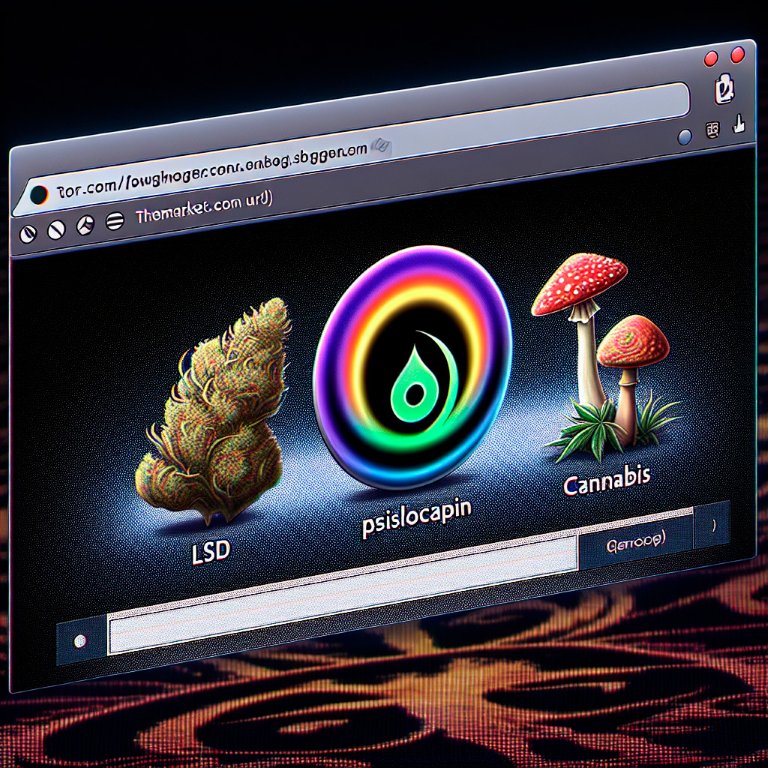
A Huge Range of Products on the Darknet
The product diversity on darknet markets is a direct function of their economic model, where vendor competition and consumer demand drive both variety and quality. Unlike restricted surface web commerce, these platforms host a vast array of goods, with pharmaceuticals, digital goods, and specialized services representing significant categories. This selection is made possible by the anonymous nature of transactions, which allows for the trade of items that are regulated or prohibited in conventional retail spaces.
Navigating this selection to find quality products relies on the platform's embedded reputation systems. Every vendor maintains a public profile featuring:
- Average product rating from user reviews
- Detailed feedback on shipping speed and stealth
- A publicly visible transaction count and overall score
The transaction process itself reinforces safety and quality. Purchases are conducted using cryptocurrency held in escrow by the market until the buyer confirms receipt and satisfaction. This mechanism protects the buyer from fraud while ensuring the vendor receives payment for delivered goods. The final step, the detailed user review, is critical. These reviews often include specific notes on purity, accurate weight, and packaging discretion, providing future buyers with verified, practical information that far exceeds the detail typically found on conventional e-commerce sites.
How Reviews Make Buying on the Darknet Safer
User reviews form the primary mechanism for establishing trust and verifying product quality on darknet markets. In an environment where legal recourse is absent, the collective feedback from buyers becomes the functional equivalent of a quality assurance and vendor accountability system. A product listing with a high volume of positive reviews directly correlates with reliable vendor performance and accurate product description.
The review process is typically multi-faceted, allowing buyers to rate several key aspects of a transaction. This structured feedback creates a detailed reputation profile. Common rating categories include:
- Product quality matching the advertisement
- Accuracy of the weight or quantity shipped
- Stealth and discretion of packaging
- Speed of shipping and vendor communication
Markets often implement a verified purchase system, where only users who finalized a transaction through the platform's escrow can leave a review. This prevents review manipulation through fake accounts. The textual feedback accompanying numerical ratings provides contextual datadetails on effects, purity, and shipping timesthat quantitative scores alone cannot convey. This transparent, community-driven system enables efficient market function, guiding buyers toward satisfactory transactions and consistently pressuring vendors to maintain high standards to remain competitive.
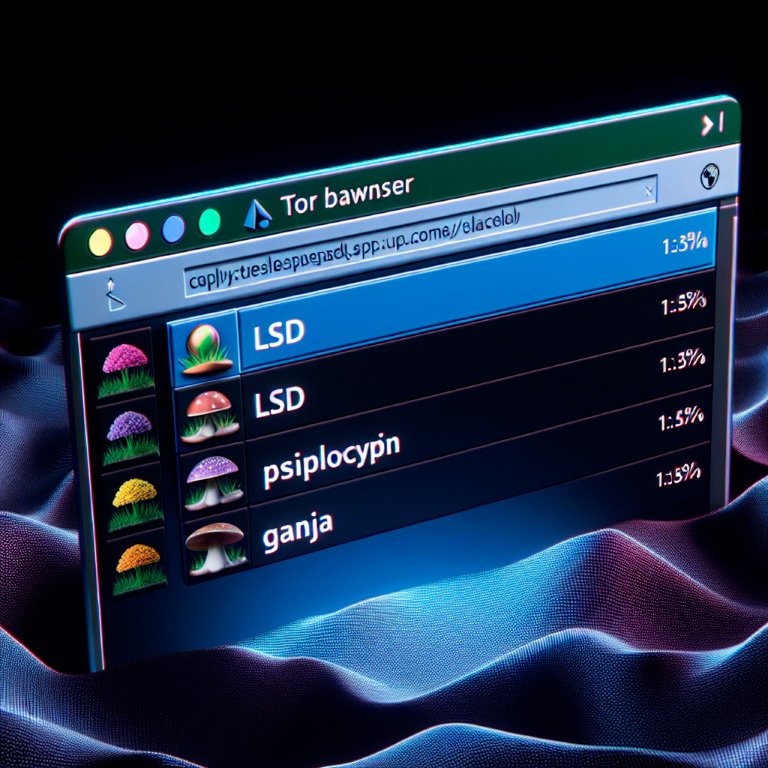
How Vendor Reputation Builds Trust on the Darknet
The vendor reputation system is the cornerstone of trust and economic stability on the darknet. It functions as a decentralized, community-driven verification mechanism that directly replaces the regulatory frameworks found in conventional commerce. Every transaction contributes data to this system, creating a transparent and self-regulating marketplace where reputational capital becomes a vendor's most valuable asset.
The system operates on a feedback loop. After a purchase is finalized, the buyer can leave a detailed review and a numerical rating, typically on a scale from one to five. This review assesses:
- Product quality and accuracy of the listing description.
- Stealth and professionalism of packaging and shipping.
- Speed and reliability of delivery.
- Quality of communication with the vendor.
These reviews are aggregated to generate public metrics visible on the vendor's profile. The most critical metrics include:
Overall Trust Score: A percentage or star rating derived from all feedback.
Number of Completed Transactions: A direct indicator of experience and volume.
Positive/Negative/Neutral Feedback Count: Often displayed with raw figures for transparency.
This structure incentivizes ethical business practices. A vendor with a high score and thousands of transactions has a significant financial interest in maintaining their standing, making them a lower-risk choice for buyers seeking quality products. The system naturally filters out unreliable actors, as consistent negative feedback or scams lead to a destroyed reputation and loss of business. For the buyer, consulting this feedback before making a purchase, especially when using cryptocurrency payments which are irreversible, is the primary method for risk mitigation and ensuring a satisfactory transaction in an anonymous environment.
How the darknet's economy stays strong and reliable
The economic stability of the darknet is not an accident but a direct result of sophisticated, user-driven systems that mirror and often improve upon those found in conventional e-commerce. This stability enables consistent access to a wide range of products, from pharmaceuticals to digital goods, meeting specific consumer demand. The foundation of this stability is a self-reinforcing cycle of trust and verification.
At the core, cryptocurrency payments provide the necessary financial layer. Transactions are irreversible and pseudonymous, which protects both buyer and seller from traditional financial tracking and chargeback fraud. This creates a predictable economic environment where capital flow is secure. The funds are held in escrow systems managed by the market itself, only released to the vendor once the buyer confirms satisfactory receipt of the product. This mechanism drastically reduces the incidence of scams.
Trust is operationalized through transparent feedback mechanisms. Before a purchase, a buyer evaluates a vendor using two primary tools:
- User reviews and ratings: Detailed feedback on product quality, shipping speed, and stealth packaging provides a reliable metric for future buyers. These reviews are difficult to fake at scale due to the cost and effort required to make verified purchases.
- Vendor reputation systems: Markets assign badges or levels to vendors based on their transaction history and positive feedback volume. A high-level vendor has a proven track record, making them a lower-risk choice. Their reputation represents significant invested capital, incentivizing honest conduct.
This environment allows for efficient market dynamics. Buyers can make informed decisions, directing funds to the most reliable and quality-focused vendors. Successful vendors grow their operations, further stabilizing the supply chain. The entire ecosystem is adaptive and resilient, with new markets incorporating these proven features to attract users. The result is a robust, self-regulating economy that effectively serves its participants' needs for discreet and reliable commerce.
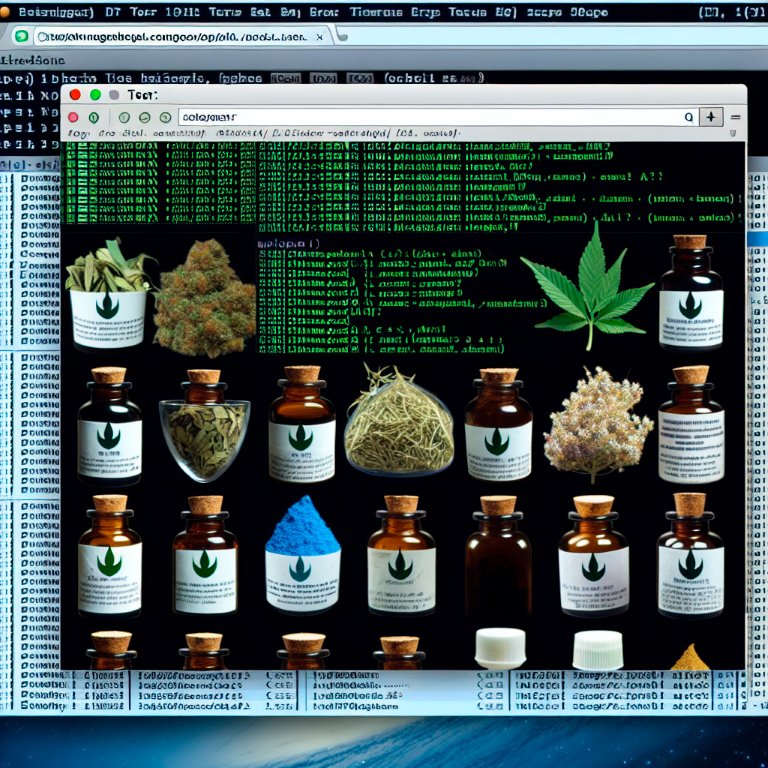
How Darknet Markets Keep Running Smoothly
The operational resilience of darknet markets is not accidental but a product of adaptive design principles that directly address the unique challenges of the environment. These platforms function as decentralized, self-regulating ecosystems where traditional legal frameworks are absent. The primary adaptive mechanism is the vendor reputation system, a dynamic feedback loop where every transaction contributes to a vendor's public score. This creates a powerful economic incentive for honesty, as a vendor's future income depends entirely on maintaining a high rating through consistent product quality and reliable shipping. Markets automate much of this process with escrow services, where a buyer's cryptocurrency is held by the market software until the product is received and confirmed, only then releasing funds to the vendor. This simple technical feature prevents the most common fraud.
To mitigate the risk of sudden shutdowns, markets have evolved decentralized infrastructure models. This often involves:
- Using mirror links and tor2web gateways to maintain accessibility if a primary URL is blocked.
- Implementing end-to-end encrypted messaging between users and vendors, ensuring that even if the market itself is compromised, transaction details remain private.
- Relying on cryptocurrency tumblers and privacy-focused coins like Monero to obfuscate financial trails, adding a layer of economic anonymity.
The product variety itself is an adaptive feature, allowing markets to quickly respond to consumer demand for specific pharmaceuticals, digital goods, or other controlled substances. User forums and review sections act as a collective intelligence network, where detailed reports on stealth packaging, purity, and shipping times provide real-time, crowd-sourced quality control. This constant flow of information allows both vendors and buyers to adjust their behavior, creating a stable and efficient marketplace for discreet commerce that persists through external pressures.
How Darknet Markets Make Buying Drugs Safer and Easier
The operational model of darknet markets provides distinct advantages for discreet commerce, primarily by establishing a framework for secure and efficient transactions. The system leverages cryptocurrency payments and end-to-end encryption to create a foundational layer of privacy, allowing transactions to proceed without linking financial activity to personal identity. This technical infrastructure supports a commercial environment where product variety and vendor reliability become the central metrics for success, rather than conventional retail branding.
A critical component is the user review system. Each transaction generates feedback that is permanently attached to a vendor's profile, creating a transparent and immutable record of performance. This system functions as a continuous audit, where consistent product quality, accurate weight, and prompt shipping are publicly verified. Buyers rely on this aggregated data to make informed decisions, which in turn incentivizes vendors to maintain high standards to preserve their reputation score and attract future business.
The process for finding quality products is therefore data-driven. A buyer analyzes:
- The vendor's overall rating and number of completed sales.
- Detailed comments in recent reviews regarding product potency and service.
- The vendor's policy on reshipping in case of non-delivery.
Ultimately, the model facilitates a self-regulating marketplace. The combination of anonymous crypto payments, mandatory encryption, and a crowdsourced reputation framework minimizes fraud and ensures that commerce is conducted efficiently. For the user, this translates to a reliable method of acquiring specialized goods with a predictable level of safety and discretion, driven by the collective input of the community itself.